The vessel is an ingredient too
The pot holds heat.
The phở holds flavour.
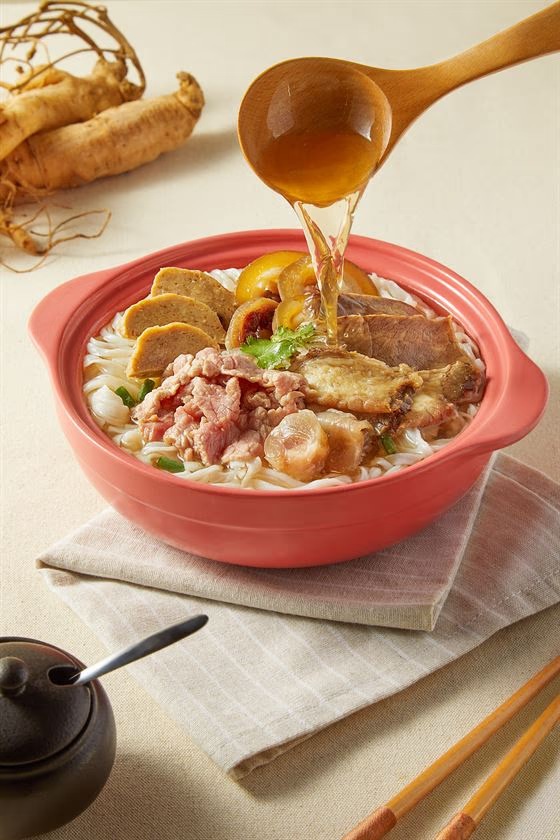
The pot is not outside the recipe. Our broth simmers in a 100-litre Minh Long ceramic pot, and your phở arrives in a porcelain one — still steaming, still hot at the last spoonful.
Porcelain from kitchen to table
We use porcelain at both ends: one big pot to simmer in, one small pot to serve in.
-
The 100-litre pot
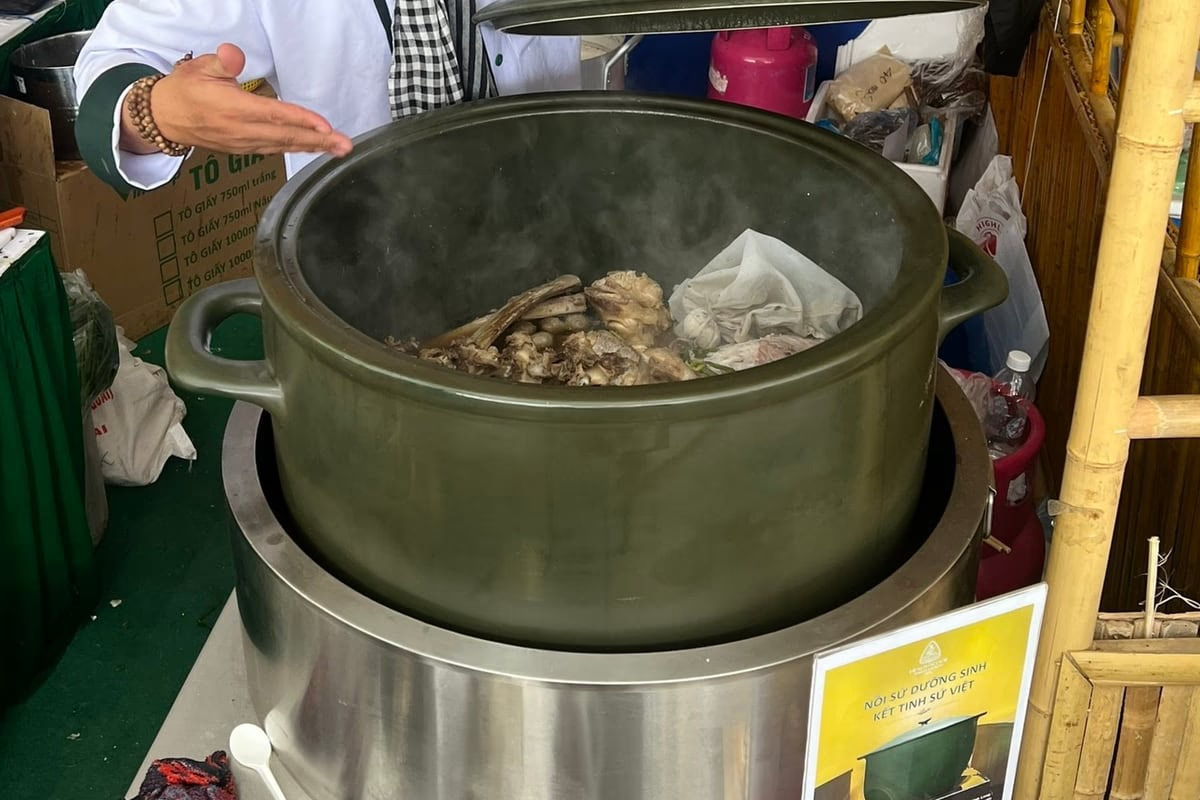
Bones simmer by the batch in the 100-litre ceramic pot Minh Long brought us.
-
The one-litre Luna
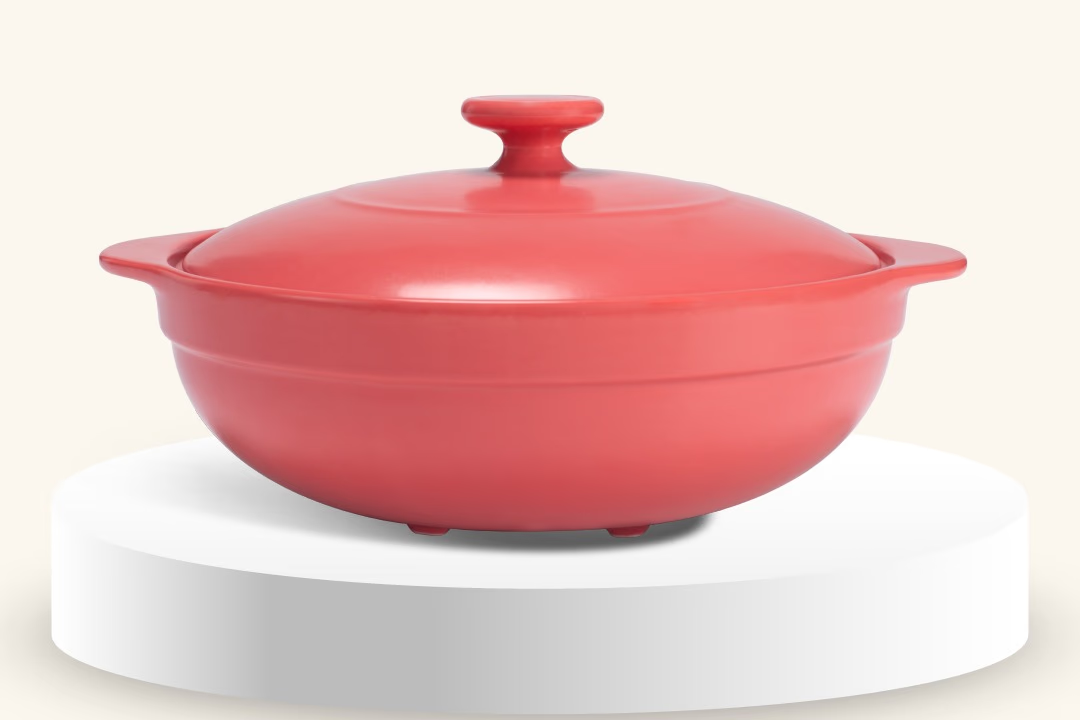
When your turn comes, the phở is served in a red one-litre Luna nourishing pot, carried straight out of the kitchen.
-
Herbs added late still wilt
The pot stays hot enough that the handful of herbs you drop in halfway through softens, instead of sitting raw in a cooling bowl.
Why porcelain
Porcelain holds heat. The pot is still steaming when it reaches your table, and still hot when you drop in the last of the herbs.
It also leaves no metallic edge in the broth — something our head chef picks up immediately. And the pot itself is Vietnamese craft, from the same country as the phở inside it.
Minh Long brought us the 100-litre ceramic pot in our early days, when Phở ’S was the only restaurant cooking phở in one.
What a hot bowl costs us
The pots are heavy, they are hot, and every so often they break. We keep using them.
-
Heavy
Heavier than an ordinary bowl, and the staff carry them all day long.
-
Breakable
Five broke last month. A few break every month.
-
Hot
It really is hot when it lands, so our staff always say a word before setting it down.
Because what reaches your table is a bowl still hot at the last spoonful.
Come and try it
The pot is hard to describe in writing. You have to be sitting in front of one, at the moment it lands and the steam comes up at your face, before it makes sense why we put up with them.